About Lynn Johnson

This author has not yet filled in any details.
So far Lynn Johnson has created 197 blog entries.

Reflections Leading in to CoP17

By |2023-04-08T10:22:05+10:00September 23rd, 2016|BTB|

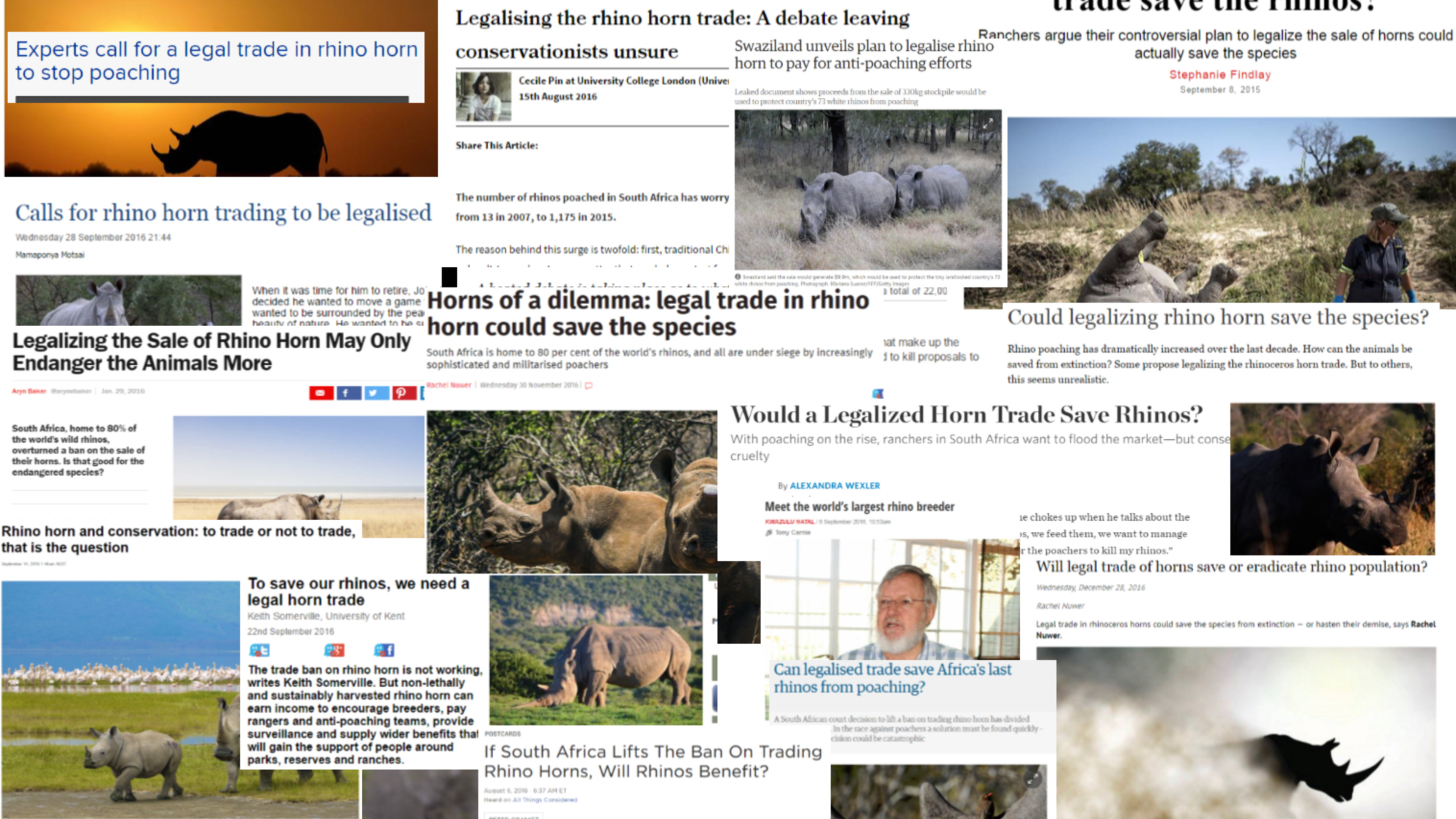
With one day to go before the start of CoP17, below is a reflection and comment on some of the articles and submissions I have read leading up to the CITES meeting. While there is much in the Time Magazine article (featured on the left) to like – it is one of the best I have seen - it also misses a couple of critical points about why Viet Nam’s (illegal) trade in rhino horn hasn’t been closed down sooner. The Vietnamese Government’s demonstrated lack of commitment to close down the demand for and the trafficking of rhino horn cannot be decoupled from the fact that a future legalised international trade has not been decisively ruled [...]

It Is Time For Large Conservation & Donors To Take Demand Reduction Seriously

By |2023-05-13T10:46:12+10:00September 12th, 2016|BTB|

As Breaking The Brand’s supporters know, our focus is demand reduction for rhino horn. This focus remains, but as a result of the recent elephant census we decided to demonstrate the type of campaign we could create to target just one group of ivory consumers. Ivory Buyers in China On page 26 of Breaking The Brand’s second annual report, published in April 2015, I mentioned reading an article in Virgin Australia’s Voyeur magazine which stated, "Nouveau riche around the world are realising that opulent displays of wealth doesn’t necessarily bestow class or taste." The solution? Etiquette classes with royal protocol expert William Hanson who is teaching wealthy Chinese women everything from ‘pastry skills’ to ‘how [...]

Can a Tiered Basic Income Model Provide an Alternative to Sustainable Utilization?

By |2019-05-24T19:08:49+10:00August 28th, 2016|BTB|

If the Strategy Doesn’t Work, Change the Strategy More and more people are questioning the lack of success of the sustainable use of wildlife model. Similarly, many are examining the policies of large conservation bodies which use trade to minimize human-wildlife conflict with the aim to save wildlife and natural environments: http://africageographic.com/blog/sustainable-utilisation-of-wildlife-not-so-sustainable/ After decades of these policies, we are losing wildlife in staggering numbers, natural environments at alarming rates and little has been done to address poverty. Why are we still talking about legalizing trade in endangered species and betting on a prescription that has failed over-and-over again? The conservation sector has not been able to halt or reverse over exploitation of resources. Dominant neoliberal ideology insists on free markets [...]

Guest Blog: The Caring Public Deserve Better Information

By |2019-05-24T19:09:07+10:00August 22nd, 2016|BTB|

Breaking The Brand is delighted to have a guest blogger, Caroline Bertin. Caroline is a supporter of and donor to Breaking The Brand. Caroline is based in the UK and we were delighted that she headed along to the rhino horn pro-trade/no-trade debate, presented earlier this month. John Hume, South Africa’s largest private rhino breeder put forward the pro-argument while Will Travers, CEO of the Born Free Foundation presented the opposing view. This blog presents the observations of someone who has invested their time in understanding this complex issue, she recently spent time volunteering at TRAFFIC in Hanoi. Like so many, Caroline wants to believe there is a light at the end of the tunnel for rhinos and a way [...]

Breaking The Brand RhiNo Campaign 3 Wrap Up

By |2019-05-24T19:09:19+10:00July 26th, 2016|BTB|

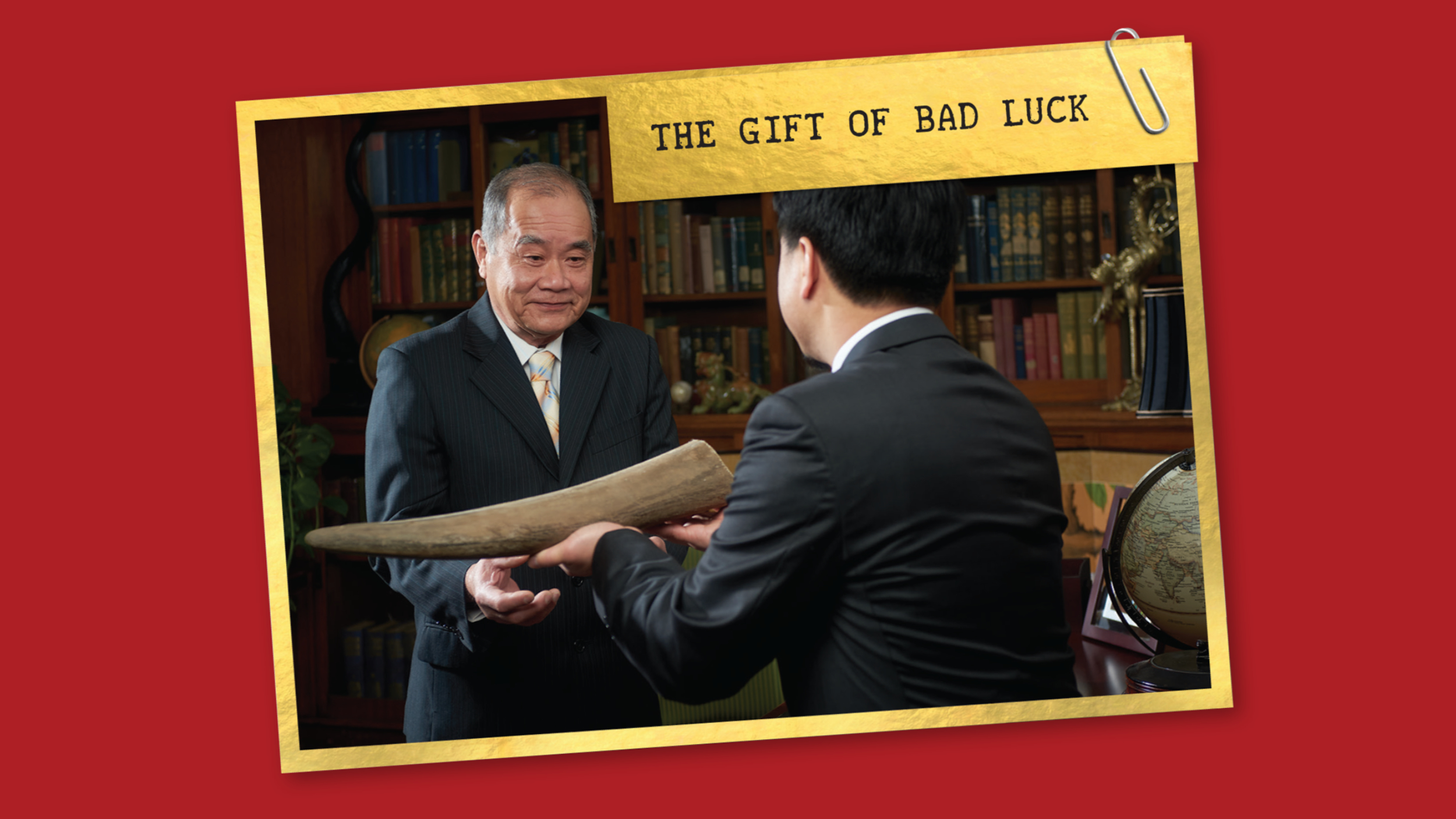
Breaking The Brand is now only weeks away from the launch of RhiNo Campaign 4. July 2016 saw the final publication from RhiNo Campaign 3 – What does a wildlife criminal look like? Status Anxiety Launched on the 4th January 2016, this was the first Breaking The Brand campaign aimed at triggering ‘status anxiety’ in the primary users. Since starting our interviews, with the primary users of rhino horn in 2013, status anxiety – if using rhino horn would diminish user’s status in the eyes of their peers – was one of only two reasons given that would cause this group to stop using rhino horn quickly enough to save the rhino from extinction in the wild. As with Breaking [...]

Smart Trade – NO, Foolish Assumptions – YES

By |2023-02-24T09:02:57+11:00June 27th, 2016|BTB|

As many of you know, I have long asked the people who believe in legalising the international trade in rhino horn to produce their business case and user analysis. The reason I have asked these questions is that since I started interviewing the primary users of rhino horn, driving the current rhino killing spree, it became apparent straight away that they don’t see horn from a farmed rhino as a substitute product. I wrote about this in: https://natureneedsmore.org/farmed-rhino-horn-not-seen-as-substitute-product/ As I say in the blog: When I was in South Africa earlier this year (Feb 2015) all my meetings clearly showed that very few people understood the nature of the demand or the users of genuine rhino horn. [...]

Demand Reduction – Take it Personally (#GoneForGood)

By |2019-05-24T19:09:29+10:00May 14th, 2016|BTB|

As a kid in the UK in the 70’s and 80’s, I was addicted to nature TV, Animal Magic, Survival, Wildlife on One, Life on Earth, Johnny Morris, David Bellamy and David Attenborough. The emerging debates at the time about how people needed to protect the natural world and how you could and should take action resonated with me. In parallel with this came Anita Roddick, an activist, environmental campaigner and Founder of The Body Shop. Though I never quite forgave her for selling The Body Shop to L’Oréal, I continued to follow her work; her book Take It Personally: How to Make Conscious Choices to Change the World is another reason I started Breaking The brand. So when it comes [...]

Research Confirms Preference for Traditional Animal Medicinal Materials (TAMs) Derived from Wild Animals.

By |2019-05-24T19:10:26+10:00March 18th, 2016|BTB|

Rhino Horn User Analysis and Pro-Trade/No-Trade Debate As many of Breaking The Brand’s supporters know, I have long said that the pro-rhino-horn-trade proponents have no understanding of the current demand or users; I have not once seen any form of customer analysis, which I outlined in a previous blog post. Time and time again they have been asked to produce their user demand analysis and they haven’t; at least now they admit that they don’t understand the nature of the demand: https://www.rhinoalive.com/rhino-horn-trade-faq/(pro-trade website) and highlight their gobsmacking belief, I quote from their website ‘The best way to learn about the market is to engage it via legal trade.’ Wow, what can you say to that ridiculous statement! The reality is that [...]

How Much Is Spent On Rhino Horn Demand Reduction Campaigns?

By |2023-05-12T20:38:44+10:00February 10th, 2016|BTB|

When you add up everything that is being spent to save the rhino from extinction in the wild, then it would become a teeny tiny fraction of 1%. The vast majority of the money donated to rhino conservation is spent on the ground on protection measures – fencing, rangers, equipment, dehorning etc. Only a relatively small percentage is spent in demand countries. Of that percentage, again only a small fraction goes into what can be classed as demand reduction campaigns. Breaking The Brand Basic Definitions As an introduction to this blog, I must qualify Breaking The Brand’s definition of what constitutes a demand reduction campaign: It is a campaign that elicits an emotional response in the current user groups [...]

Re-Inventing Magnificence – Conservation is the New Black

By |2019-05-24T19:10:04+10:00January 11th, 2016|BTB|

As some BTB supporters already know, I recently began a Visiting Research Fellowship at the Australian National University working in the area of cultural anthropology. The focus of the research is: How do current and historical cultures ascribe status to wildlife ‘products’ and what turns them into luxury items? The aim is to understand how this process works; of particular interest is how this knowledge may be utilised to achieve the reverse effect – turning a current luxury item (such as rhino horn) back into something no longer considered a luxury or desirable. This insight can then form the basis for creating demand reduction initiatives. As part of the initial literature search on the nature of luxury the concept of [...]

Go to Top