
I will start with a range of questions to challenge you.
Can we truly hope to have a sustainable existence without exploring the question, are we custodians or consumers? When it comes to the natural world, which one are you?
Or how do you balance the two? It’s an important question to ask when we consider our complex relationship with the natural world, on an individual basis and as a society.
When you look to solve the problems of nature, what philosophy underpins your planning? It seems to me that the strategies and systems we have used in recent decades to manage this relationship, seem overdue for review.
Increasingly, I see the phrase, “we are a part of nature not apart from nature”, so is it time to reconsider our existing belief system and revisit beliefs held by many traditional custodians of environments globally, past and present? Can we truly hope to have a sustainable existence without doing so?
How many in conservation start with a mindset of custodianship as their primary hope, wish or faith? Or does the conservation sector regularly support plans built on transactional models with foundations in a consumerist philosophy?
I live in Perth (Boorloo) Western Australia, Noongar country (Noongar Booja). I in no way profess to understand in any depth the beliefs and traditions of this region’s First Nation but I’m starting to take more note.
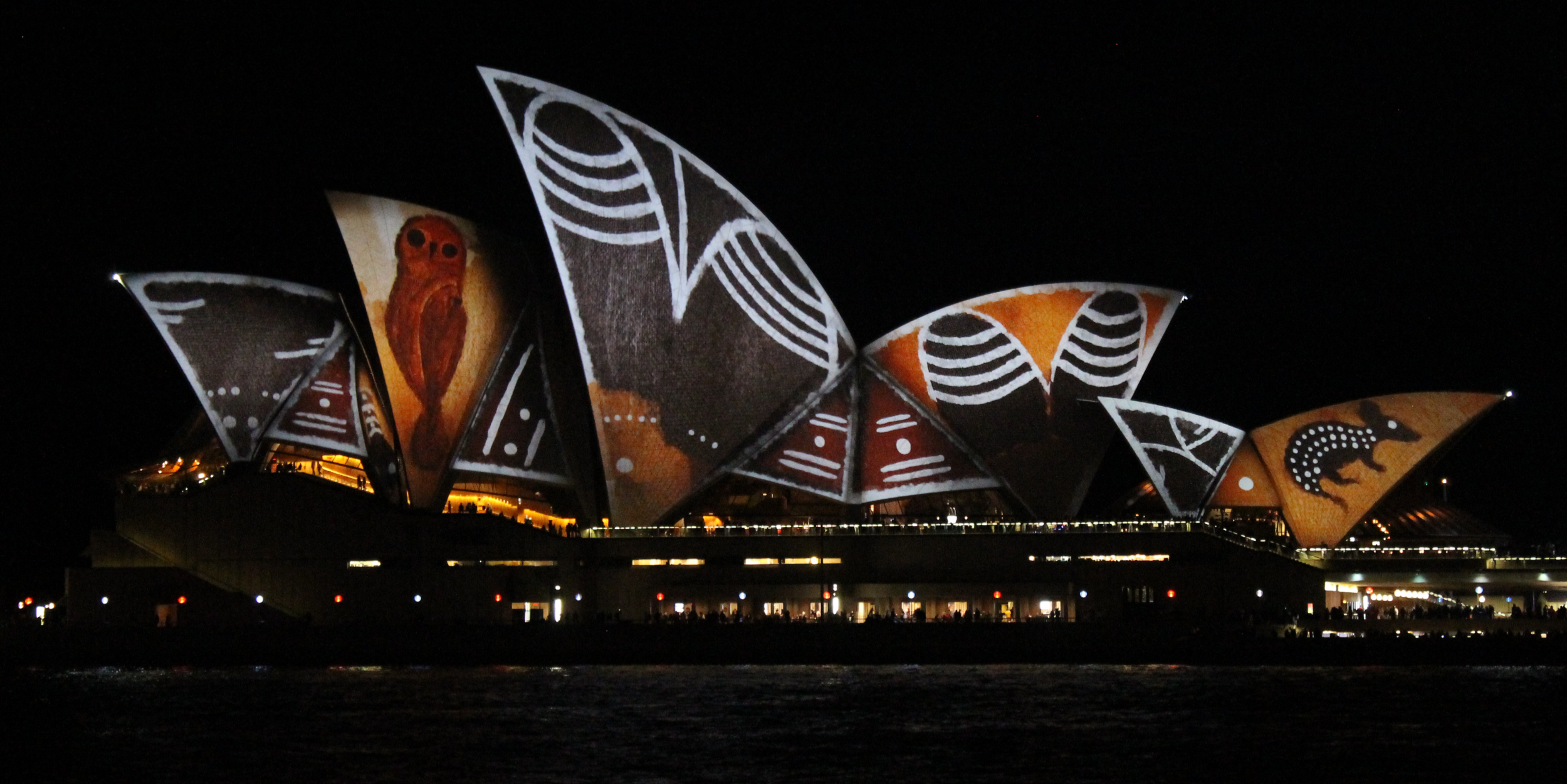
Last year I attended the Biosphere Boodja Festival held at Goomalling, about 150km north east of Perth. Organised by Fleur Schell, the centrepiece of the event was the Carers of Everything projection – a collaboration with Nyungar Ballardong Elder Auntie Tracey De Grussa, projection artist Steven Alyian and Fleur.
In the words of Fleur, this was, “Inspired by teachings of Nyungar Injabarndi Elder Dr Noel Nannup, the work invited audiences to reflect on our responsibility to care for all living things – land, sky, water and one another”.
I strongly urge you to watch the 15-minute presentation in the link, it is truly moving.
Standing in the crisp cold night air with my family, under a clear star filled sky, watching the story unfold on the enormous grain silos was truly one of the most emotional art pieces I have witnessed. I reflected on this after the event. What was it that impacted me so much? What was it about the millennia old philosophy of the Noongar storyline that resonated?
At the core of this was the belief that humans are a part of nature and have an obligation to care for it. To take from it no more than is needed and to hand it to the next generation in a state no worse than it was received.
In explaining the Noongar relationship to nature Dale Tilbrook notes, “Our ethos is rooted in stewardship. We don’t own the land, we belong to it.”. Compare this to the implied right that underpins the bulk of the western world’s private property rights – that is the inherent right to destroy private property.
As a veterinarian, I believe there is no better profession to be acting as custodians of non-human species. I wrote a blog that looks at this, Beyond the Clinic: The Veterinarians Role in Wildlife, Welfare and One Health. Overtime I have gradually come to question whether as a profession we are adequately advocating for ALL the living creatures of this world.
I would argue that too often our commitment is to the individual, as it needs to be in the moment, but is blinkered to the wider animal community which deserves our advocacy equally.
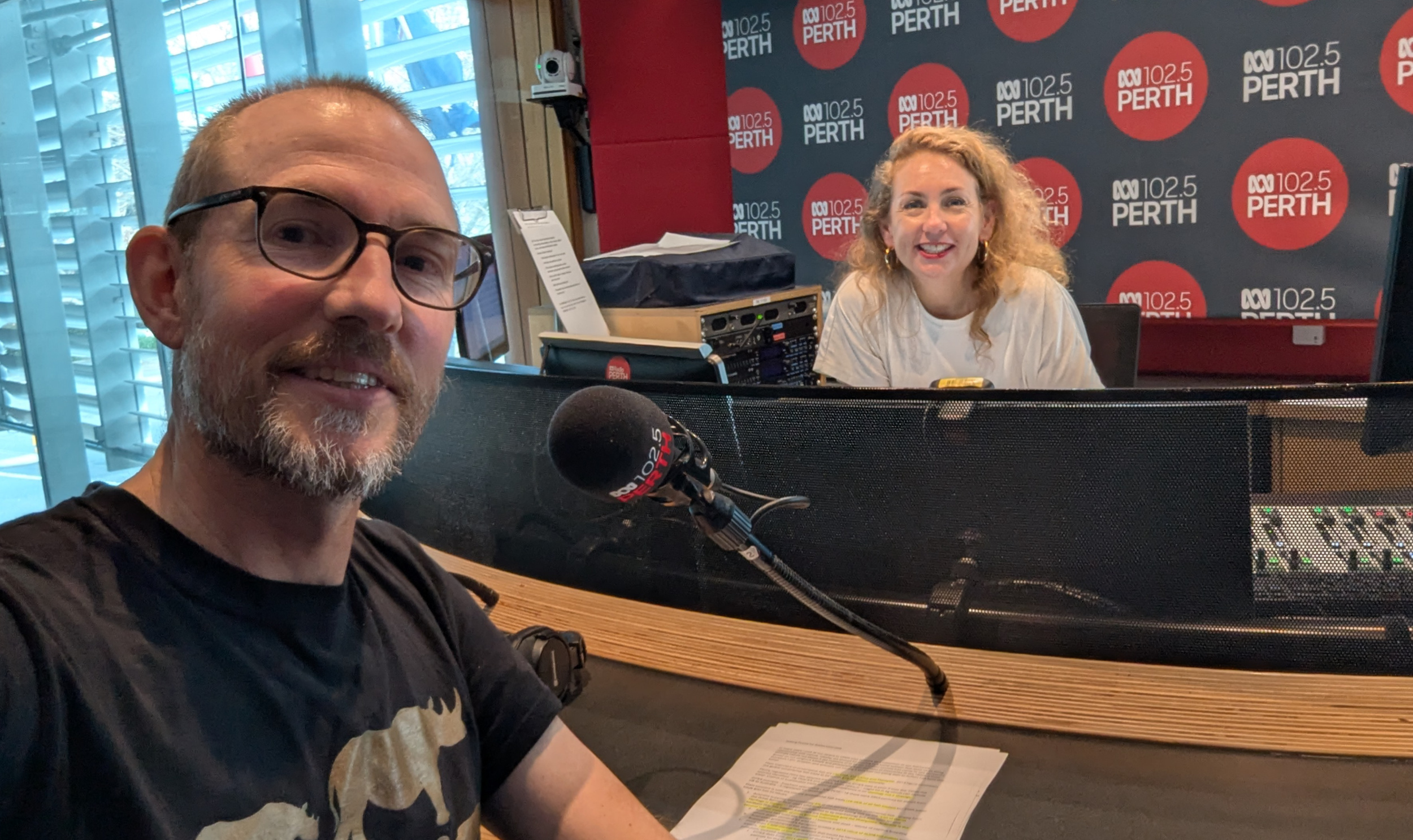
A few weeks ago, I was interviewed by Jo Trilling on ABC radio here in Perth (Boorloo). I spoke in response to a segment she had done a few weeks earlier on “aquascaping.” From my perspective the initial conversation had looked at the consumptive side of the ornamental fish trade. I felt the custodian side of the trade needed to be addressed, and I salute the open minded and balanced approach that Jo offered in this instance.
Preparing some thoughts to discuss the topic I came across the New York declaration on animal consciousness. Created in 2024 it has more than 600 signatories to support it.
“Which animals have the capacity for conscious experience? While much uncertainty remains, some points of wide agreement have emerged.
First, there is strong scientific support for attributions of conscious experience to other mammals and to birds.
Second, the empirical evidence indicates at least a realistic possibility of conscious experience in all vertebrates (including reptiles, amphibians, and fishes) and many invertebrates (including, at minimum, cephalopod mollusks, decapod crustaceans, and insects).
Third, when there is a realistic possibility of conscious experience in an animal, it is irresponsible to ignore that possibility in decisions affecting that animal. We should consider welfare risks and use the evidence to inform our responses to these risks.”
I had previously read of the sentience in fish with regard play behaviour (cite) but the paper on cleaner wrasse who passed the “mirror-mark test” takes the concept of sentience in fish to another level. In this study the fish were able to identify themselves in a mirror and be aware of when they had been marked with a pen and actively tried to remove it. I had raised the issues of sentience, welfare concerns and wild sourcing with Jo in an email after her initial piece on keeping fish.
As such, my discussion with Jo was largely about fish, but we explored the issues of wildlife trade more widely and in particular that of the exotic pet trade. Jo herself is a reptile owner and suggested she maybe hadn’t stopped to consider the wider issues of wildlife keeping at the time that she rescued the python.
In essence I would suggest like many exotic pet owners she had looked at the decision to take on a reptile from a consumer point of view.
Looked at from a custodian point of view I wonder whether she would have made different decision? From this viewpoint we would value the animal more in its natural environment without the need to feel we owned it.
I believe the concept of custodianship ahead of consumption must start to permeate our decision making and planning. Inherent to this is the concept of need versus want. To do this, how do we start an evolving conversation?


It is naïve obviously to think that humans can live in a world and not consume. However, it should not be naïve to think that humans can, and I believe, must, live in a world and consume in a manner that respects its place as part of a broader system and is not separated from it.
I came to conservation through rhinos. In this sphere there is no better example of the divide in the belief systems that underpin conservation ideas. I would contend we can argue a strong case that nobody NEEDS rhino horn.
Then there are two basic sides of the rhino conservation argument – continue with the ban on horn trade and take steps to drive down demand. Or move to a system that favours the rationale that, “if it pays, it stays.” In this case allow trade in horn that maybe feeds profits back into conservation of the species.
I won’t debate the ban/pro-trade argument for rhino horn here, but it’s a clear demonstration of custodian versus consumer mindset on problem solving options on a conservation problem.
At Nature Needs More our interest rests, not so much with single species issues but with the broader systems that facilitate and manage biomass extraction more generally. The key word here being extraction, which has a consumerist and transactional connotation. A description that is apt when considering the worlds current fractured relationship with nature.
Certainly, in the pro-trade/no-trade debate, pro-trade has been the clear winner for decades, even though the sustainable use model has never been validated.
I recently watched a short presentation from Deakin University which included an explanation of Extractive Logic.
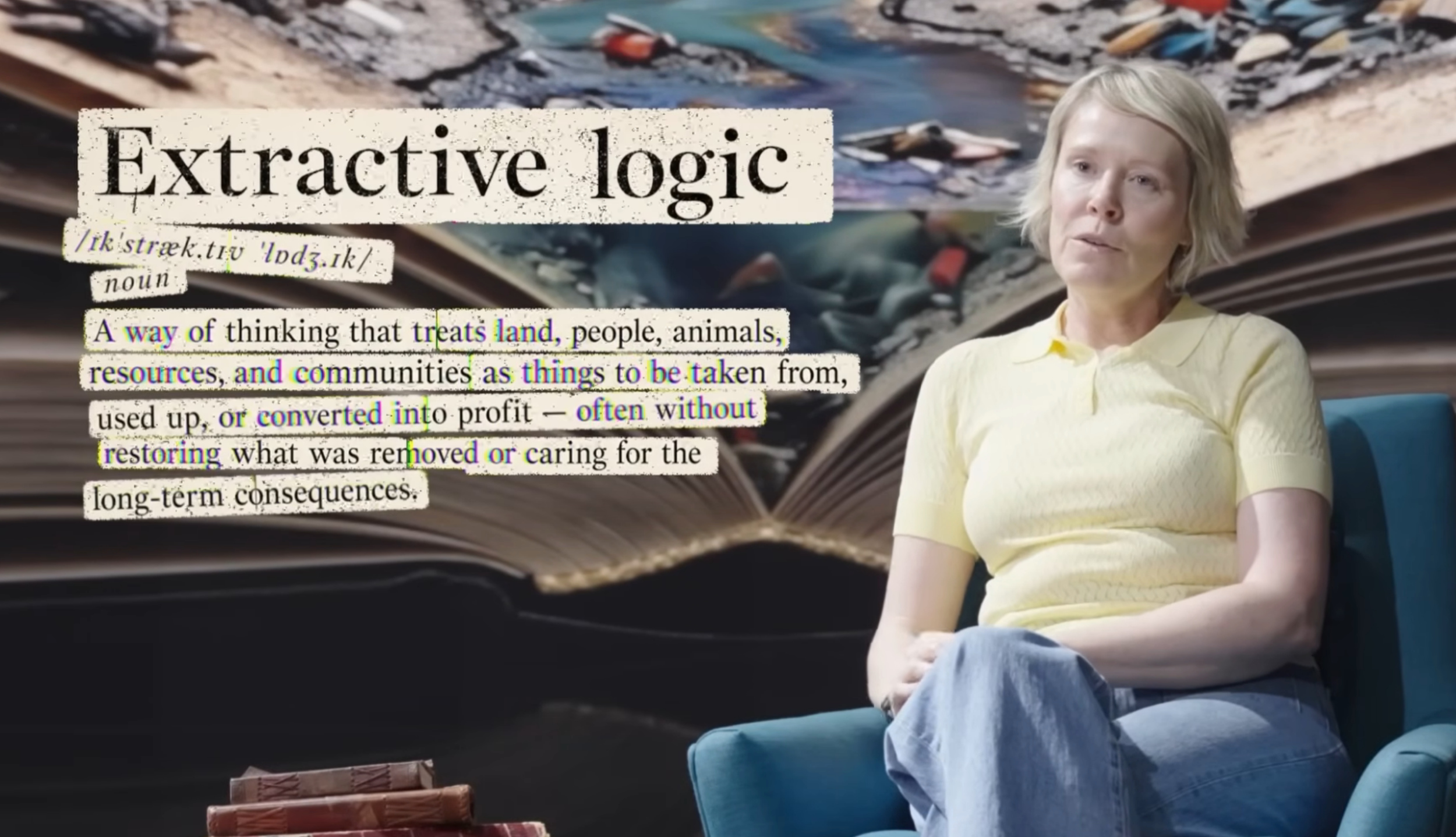
This they defined as, “A way of thinking that treats land, people, animals, resources, and communities as things to be taken from, used up, or converted into profit – often without restoring what was removed or caring for the long-term consequences”
At all levels it is easy to demonstrate how this extractive logic underpins so much of how the world operates at present.
Maybe the best place to start the broader understanding of the extracted logic mindset is the debate on the consequences of the exotic pet trade. The conservation sector, with the support of the veterinary profession, who have so much influence in this sphere, are well placed to push for a shift to policy. What would this trade look like if it was managed under a values system based around custodianship?
This would likely guide a more sustainable model. Firstly, remembering the Noongar beliefs and asking the question, do we NEED the consumption. Certainly, the exotic pet trade is an unnecessary (luxury) trade, so do we have to do it at all?
Secondly, remembering the New York declaration on animal consciousness, are we doing it in a manner that respects that which is being consumed has as much right to live in nature as we do?
Thirdly, it is about asking, what need is this consumption fulfilling? The need to feel cool? Have status? The need for social differentiation from your peer group? Hardly good reasons to decimate a species!
We can still place ourselves at the top of the pile, but a shift to viewing this position as one of chief custodian rather than apex consumer, and establishing systems of trade that reflect this view, would mark a significant step towards sustainability.
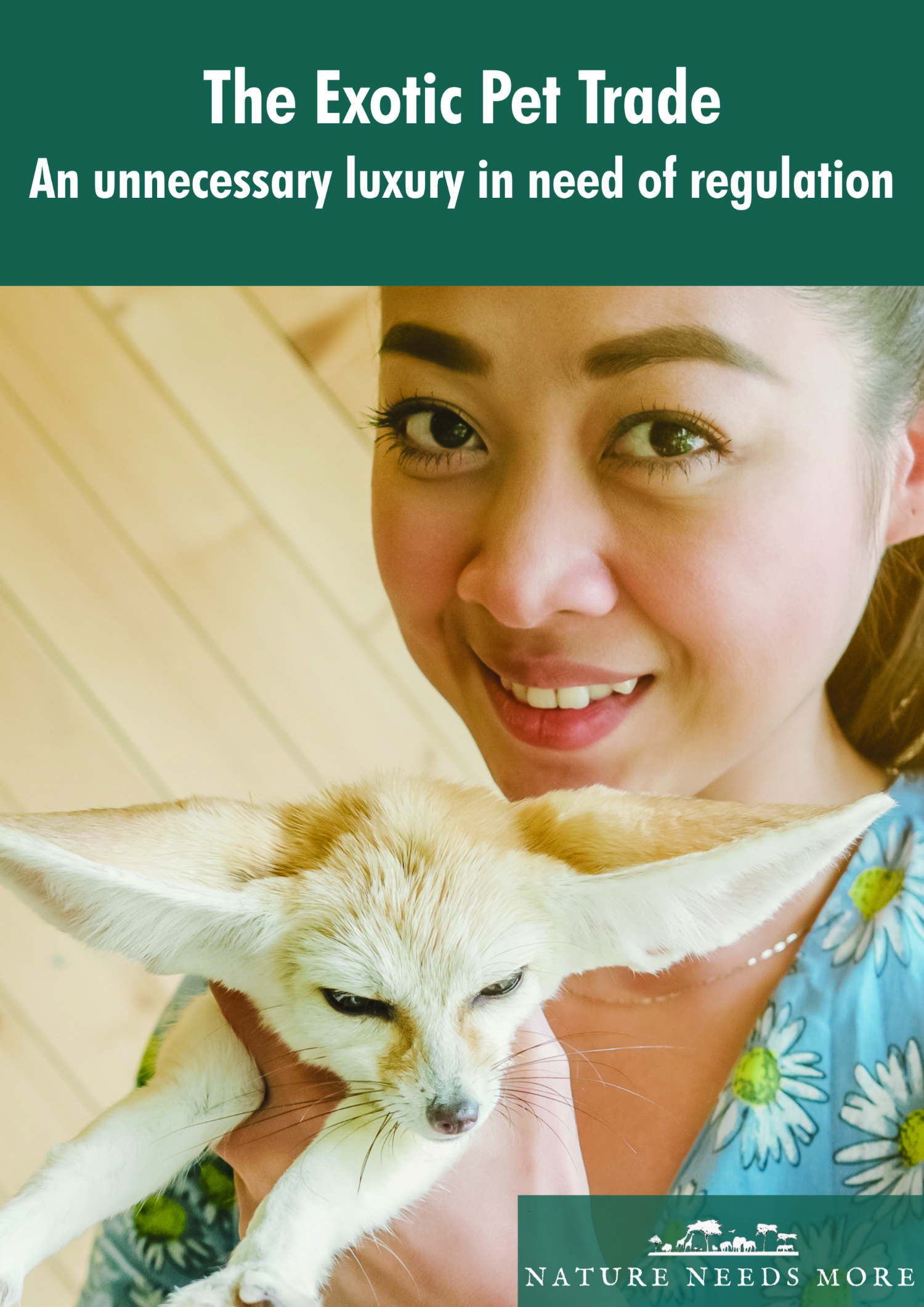
Last year Nature Needs More put forward a model for the management of the global Exotic Pet Trade. Key to this report is a paradigm shift in how we look at the EPT. This is one based on the precautionary principle and managed in a manner that respects the nature that is traded in it.
This shift in our underlying belief system would be good for the living planet and good for our sustainable existence. As a reminder, our desire to own nature, comes with risks of biodiversity loss, poor welfare outcomes for the animals traded, invasive species risks, biosecurity concerns and public health implications. Are the risks worth it for an unnecessary trade?
If we a look at this from an Australian perspective, then our reptiles provide an important example. Last month’s paper – Conserving Australian lizards and snakes: an update on progress since 2017 – reports we now boast 1066 species of squamate, up from 955 reported in 2017.
We also know that Australian species are increasingly popular in the global exotic pet trade with evidence showing 163 endemic species of reptile found in international trade during 2024 with a further 8 species also intercepted prior to being smuggled from Australia. This represents 16% of known Australian reptile species.
So, what are the key take aways from this latest progress report on Australian reptiles.
- The authors estimate that around 127 Australian squamate species — 1% — are likely to be threatened,
- Species for which we lack information are disproportionately likely to be threatened. Noting that
- Data Deficient species are 5.4 times more likely to be threatened than species with adequate information.
- Not Evaluated species are 3 times more likely to be threatened.
- Of the 43 terrestrial squamate species classified as Data Deficient in 2017, modelling and subsequent evidence suggest that 38% could qualify as threatened.
- Identified threats to survival include, the exotic pet trade and introduced species (a common by product of the EPT)
In Australia, my sense is that our wildlife laws, federally through the EPBC (Environment Protection and Biodiversity Protection) Act and individually through our states, were built (on paper at least) on the premise of acting as custodians of our wildlife. (At least as far as our shorelines!)
The EPBC Act for instance gives protection to all native species from international trade other than under very limited and strict situations such as exhibition. But it must be noted that, it has been well documented how loopholes can be exploited, such as with ‘zoos’ that don’t appear to open to the public.
While we may still have work to do to see the enforcement of these laws enacted in a manner that truly reflects this custodian mindset, I believe culturally it is what Australians would support.
In fact, the Australian Biodiversity Council has confirmed this, in its 2025 Biodiversity Concerns Report: A survey of community attitudes toward nature conservation. They even broke it down into policies that voters most strongly support:
- Labor voters most strongly support strengthening national environmental laws (82%), establishing national standards (80%), and establishing new national parks (78%).
- Liberal party voters identified establishing new marine parks (71%), regulating logging under national law (71%), and strengthening environmental laws (70%) as their top supported policies.
- National Party voters listed establishing national standards (65%), strengthening environmental laws (64%), and investing in science (64%) as their top supported policies.
- Greens voters strongly supported strengthening national environmental laws (86%) and establishing national standards (83%), protecting native species habitats from development (83%), along with establishing new national parks (82%).
- Swing voters indicated the strongest support for establishing national standards for the protection of the environment from developments (78%), establishing a network of marine parks (77%), and regulating native forest logging under national law (77%).
However, from a trade perspective what happens once Australia’s unique species leak into the global pet market – our laws at this point mean nothing.
Once outside our boundaries the systems set up to protect wildlife in trade move from a custodian basis of trade to a consumer or extractive logic. That is, trade until proven not to be safe to do so.
If we look back again at the August report on Australia’s reptiles it essentially finds Australia still does not have sufficient coordinated monitoring, research, taxonomy, conservation planning or funding to identify and respond to declines in many reptile species before they become serious. And yet, globally, our consumer or extractive trade systems mean these species could be traded.
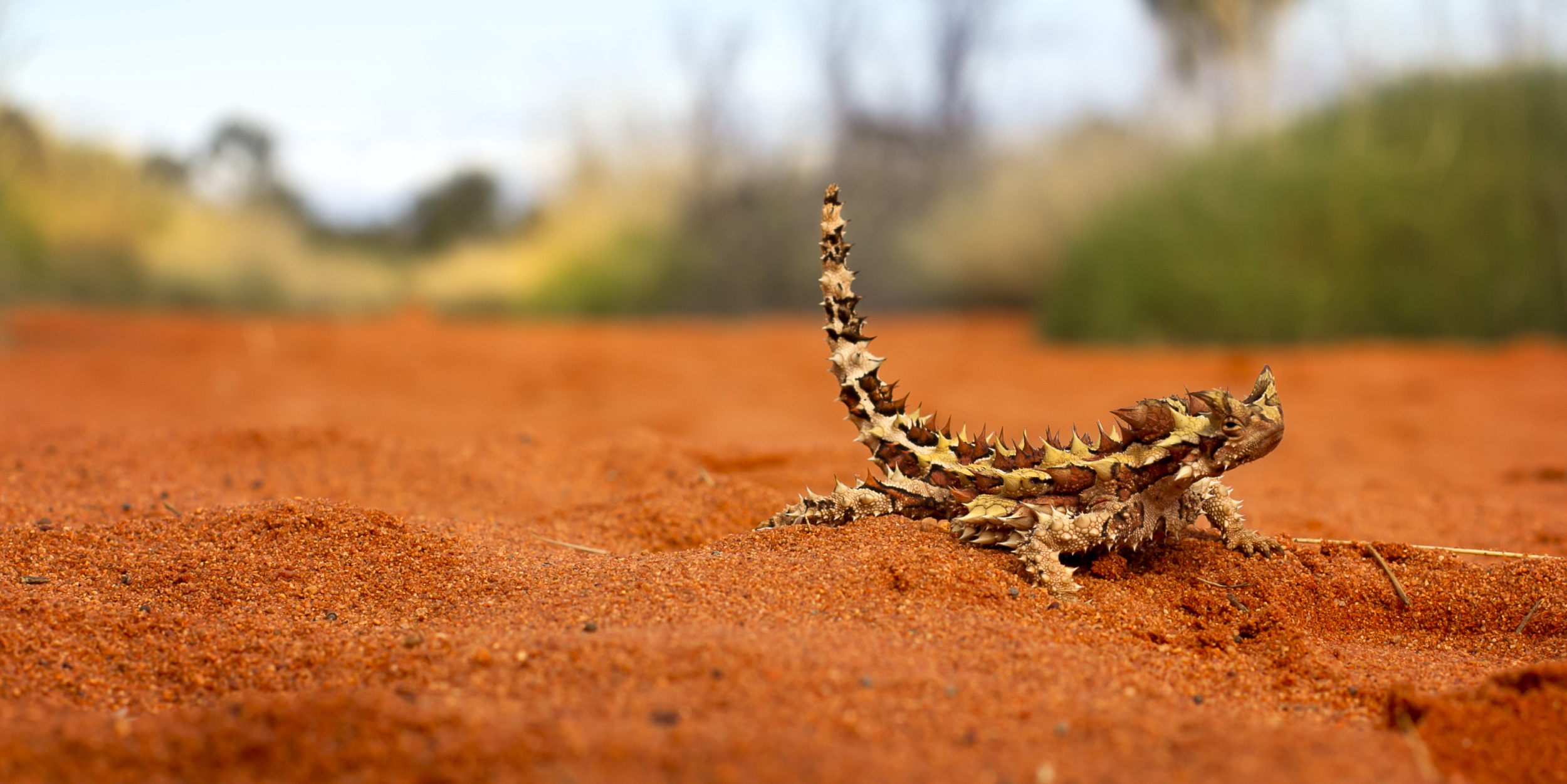
A shift to the precautionary principle, grounded in the custodian mind set of the precautionary principle would not allow this. The Precautionary Principle states, “In order to protect the environment, the precautionary approach shall be widely applied by States according to their capabilities. Where there are threats of serious or irreversible damage, lack of full scientific certainty shall not be used as a reason for postponing cost-effective measures to prevent environmental degradation.”
Australia is a wealthy country – we have the resources, and as a result the capabilities, to do this if we choose.
Widening this concept of custodianship from the exotic pet trade, a reasonable question to then ask is, why can it not be used more generally? It can be argued that this custodian philosophy should underpin all aspects of our consumption of the world’s biomass.
In Nature needs More’s 2023 report, The BU$IN€$$ of Nature, we discuss that “regulating the global trade in wild species is not anti-capitalist. It is a pragmatic response to a rapidly escalating crisis.”
As such I would argue the precautionary principle would be appropriate for systems such as CITES. A reverse listed (positive/white list) CITES immediately offers protection to those data poor or new species, those unique species protected under a National law but not once in the international market and places the onus on those wanting to extract to prove the need and sustainability of doing so. Far more in line with traditional land owner views.
The concept of “Caring for Country” has been practiced by Australia’s First Nations for tens of thousands of years. As a specific phrase caring for country emerged in the 1970s and since then has inspired and influenced Australians more broadly to want to protect our country’s unique wildlife, ecology and places.
I find it difficult to imagine that anyone could argue that the current legal trade of wildlife/biomass is not underlaid by a consumerist rather than custodian philosophy. A trade that is opaque, where the cost of regulation and management does not rest with those benefitting from it, and a system that allows trade until proven unsafe to do so can hardly be viewed as one based on custodianship!
If this doesn’t resonate for you, then maybe consider the comments of Professor Nathalie Seddon in her address to the UK’s, National Emergency Briefing last year. She stated we must look at biodiversity and nature as critical infrastructure. We should, “Create an economy that values nature not as a resource to extract, but as a partner in prosperity”. This would be a positive first step.
It is time the world took a long hard look at itself with regard wildlife/biomass trade and its sustainability.
The conservation sector must accept its complicity in having allowed a consumer philosophy to underpin the rules and systems that have seen us decimate our natural world.
The time has come to be strong enough to get out of the consumerist’s bed and take up the role of custodians. It’s time to reappraise the beliefs that underpin Conservation thinking and action.
Ask yourself, are you a Custodian or Consumerist thinker? What philosophy underpins your planning and actions?
I will explore this further in the months to come.