

Status And Cool Narratives Are Killing The Planet

The current stories of what defines ‘cool’ and gives people status are killing the planet. New narratives are needed to save wild species and the natural world. Will 2026 bring the needed shift?
The status-driven addiction to consumption is driving planetary collapse. At present this addiction is shared between all...

Reverse Listing: A Model To Corral Commercial Ruthlessness

In 2017, when Nature Needs More decided that the illegal trade in wild species couldn’t be decisively tackled until the legal trade system under the CITES was modernised, we stumbled on the historic consideration of moving the CITES to a revise listing system.
For clarity, under the CITES model established...
Vital Signs: First Indication The CITES Can Be Brought Back From the Brink Of Extinction

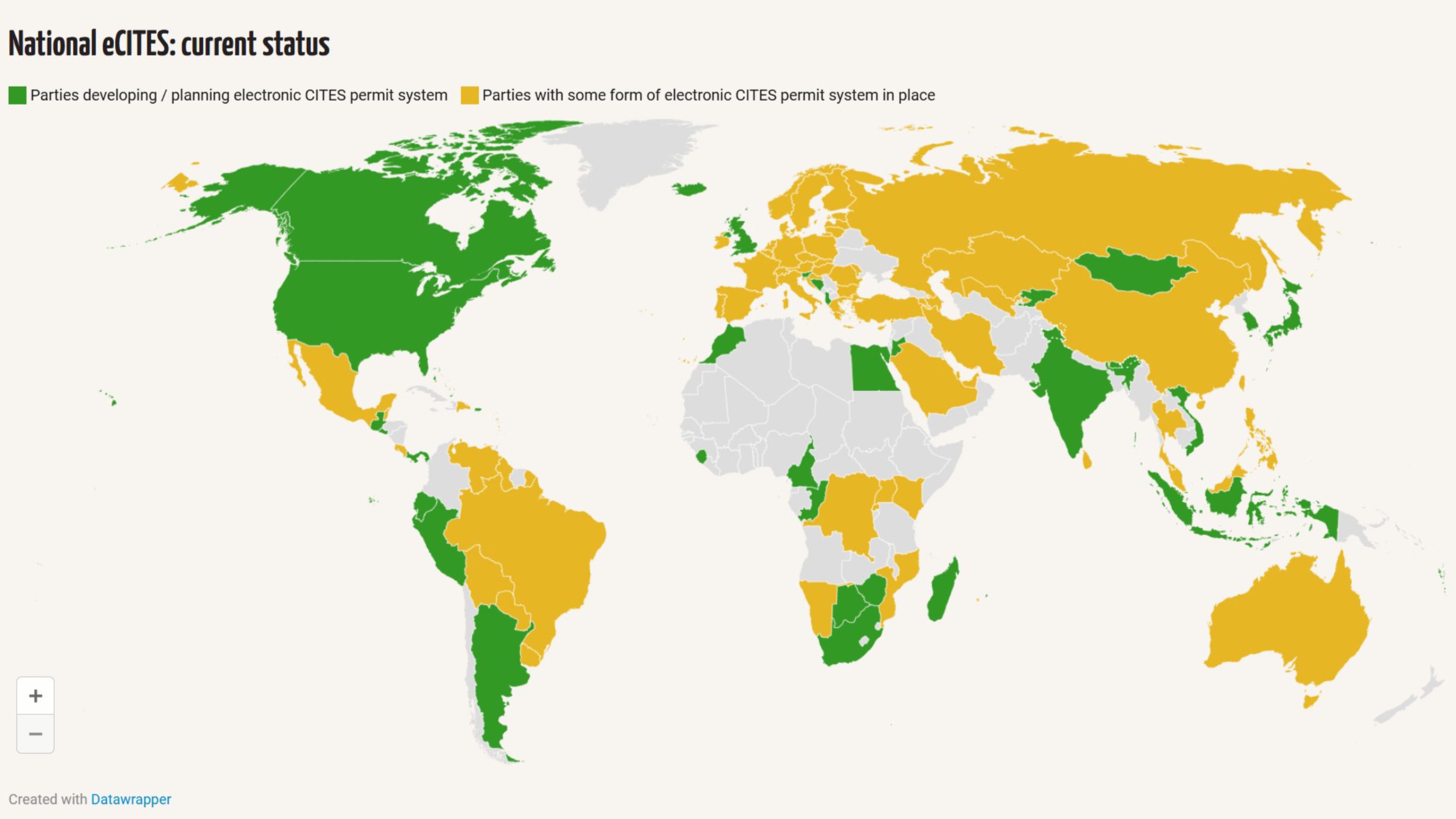
Finally, some good news coming out of the CITES. In the days leading up to the start of CoP20, the map highlighting which countries are moving away from the obsolete 1970s paper permit system has been updated.
It would have been frankly ridiculous for the CITES to reach its 50th...

CITES@50 Reality Check 7: The CITES Failed 2030 Strategic Vision

Nature Need More can with 100% certainty state that there is No Chance of achieving the CITES Strategic Vision 2030. Equally, there is No Chance of achieving the KMGBF Target 5 by 2030. Why do we say this? Because neither body is making any substantive effort to achieve a transparent,...

CITES@50 Reality Check 6: CITES Must Not Be Captured By SULi

Plenty of conventions and IGOs deal with the rights of people, poverty and development; The World Bank and UNCTAD were created for this very purpose. So why, when there are so few that focus on non-human species does the corporate conservation sector and conservation academics want to bring these considerations...

CITES@50 Reality Check 5: The CITES Must Modernise Or Go

The illusion and delusion of the supposed CITES effectiveness must end. While a modern and well-funded CITES is desperately needed, the convention cannot survive in its current state because it has long failed in its stated objective of protecting endangered species from overexploitation through international trade.
Over decades the CITES...

CITES@50 Reality Check 4: CITES Trade Measures NEVER Enforced
Given the CITES trade measures have never been enforced, the valid question is, has the CITES ever really been a regulator of the trade in wild species?
That CITES is believed to be a regulator in not in doubt. In a briefing session, John Scanlon, who was Secretary General of...

CITES@50 Reality Check 3: CITES System Stuck In 1970s

Over the years of researching the CITES listed legal trade in wild species, periodically the question arose, “What if Jeff Bezos ran Amazon Inc. with the same supply chain processes as the CITES?”.
Amazon Inc. is a perfect contrast of what can be achieved when it is in the business’...

CITES@50 Reality Check 2: Sustainable Use Model Remains Unproven

No stakeholder is interested in validating the sustainable use model that the CITES is purportedly based on. After 50 years of the CITES, there is still no way to validate if the trade this regulator manages is sustainable.
Businesses and industries know genuine validation of sustainable use of wild species...

CITES@50 Reality Check 1: CITES Is Broke

The convention cannot deliver anything for wild species until the funding crisis is solved. For decades the CITES has been an ineffective regulator due to its impoverished state.
Submissions to CITES CoP 20 detail that the contributions due to the CITES for 2025 are US$6.6 million, but to-date only $3.3...

Conservation’s Stockdale Paradox

In a 2024 article, On Climate Week and Toxic Positivity, journalist Amy Westervelt, said, “the focus on positivity to the exclusion of anything else felt completely surreal and, if I’m being honest, a little scary….seeing so many climate leaders demand positivity, and only positivity, was more than a little unnerving”....
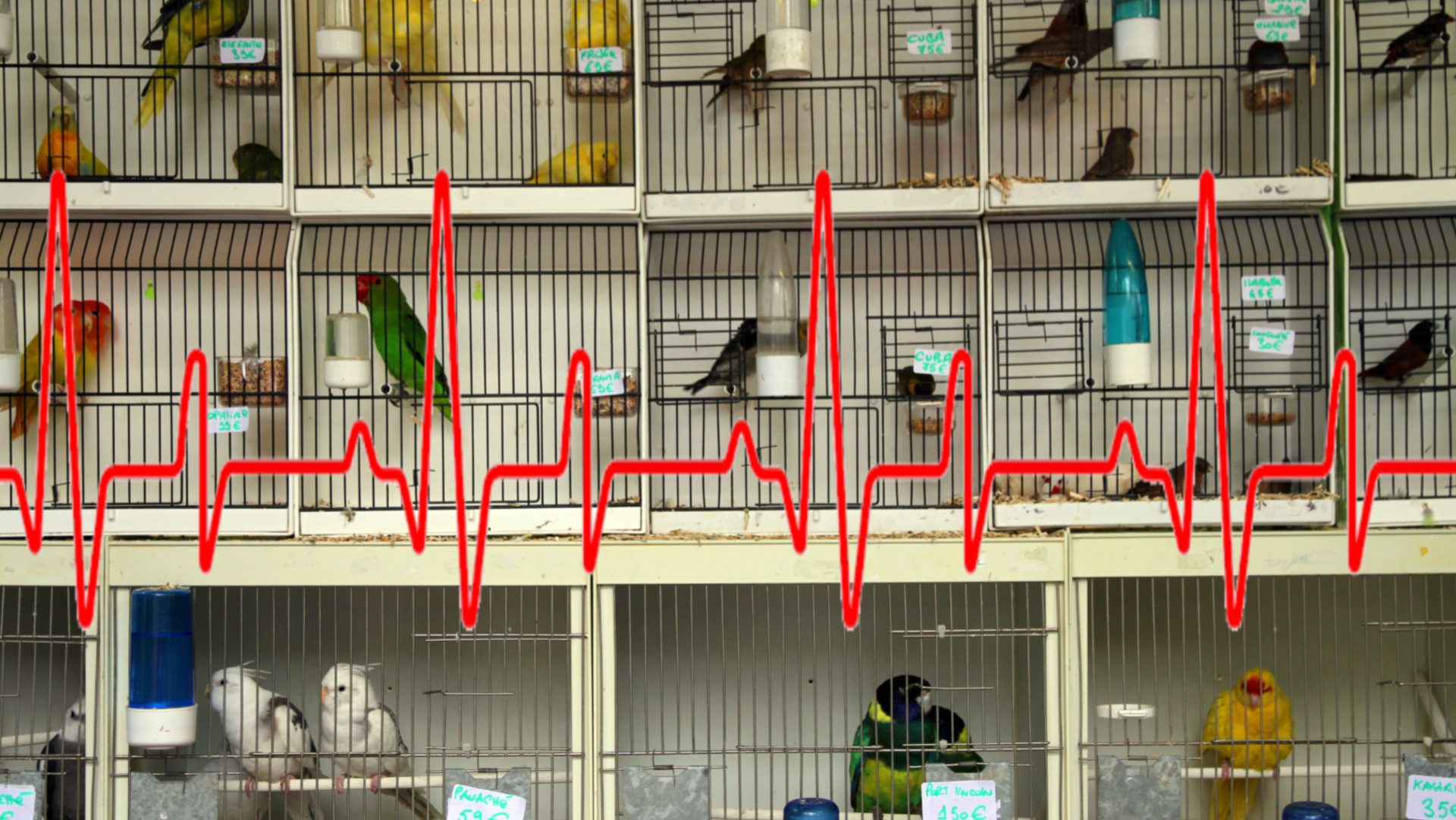
CITES In Critical Condition: It’s Time For A Morbidity & Mortality Review
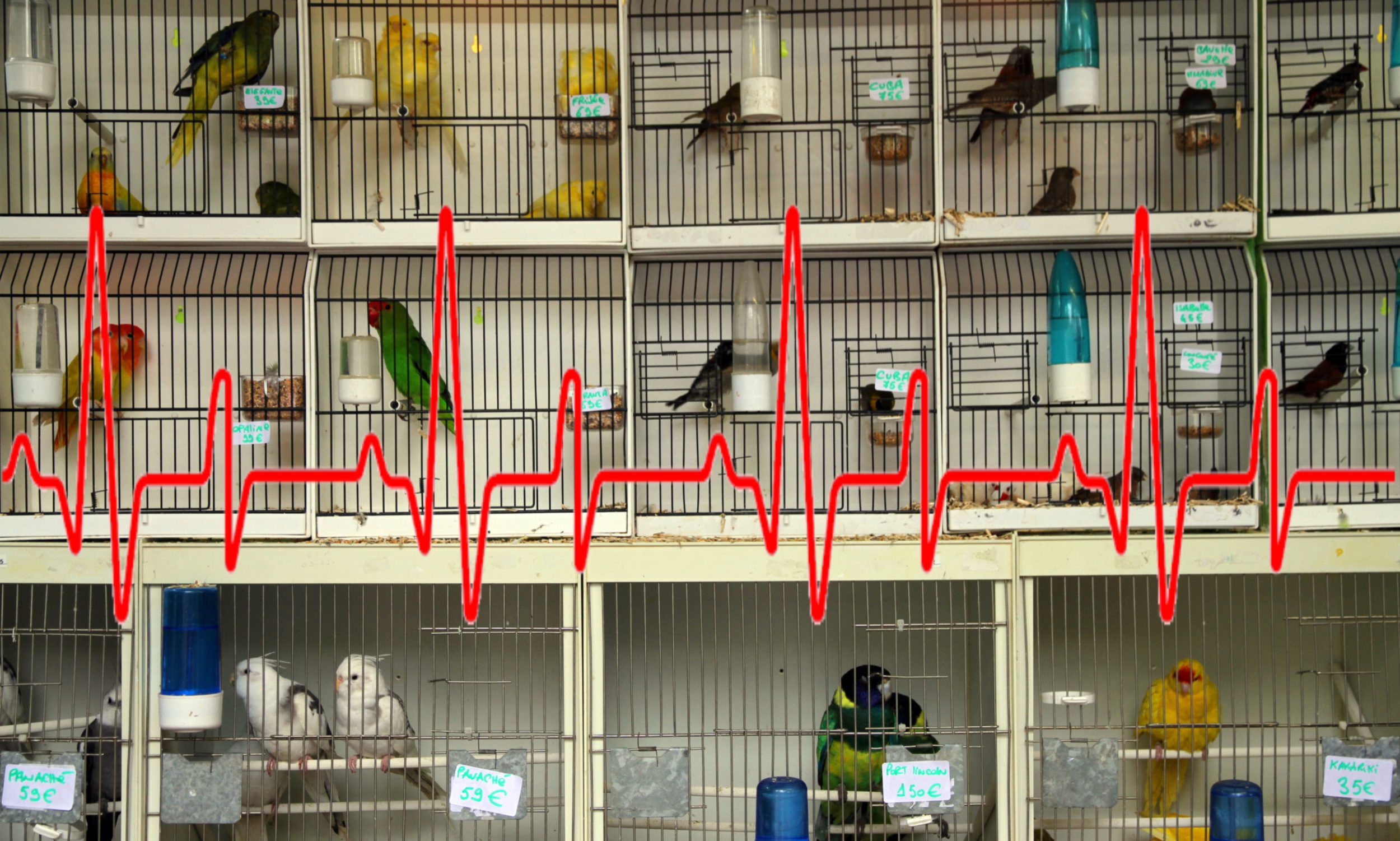
In the years I have been researching the live trade in wild species, with a particular focus on the species listed by the CITES convention, what constantly amazes me is how obviously the system is flawed and yet how little action or apparent interest there is in seeing this improved....